
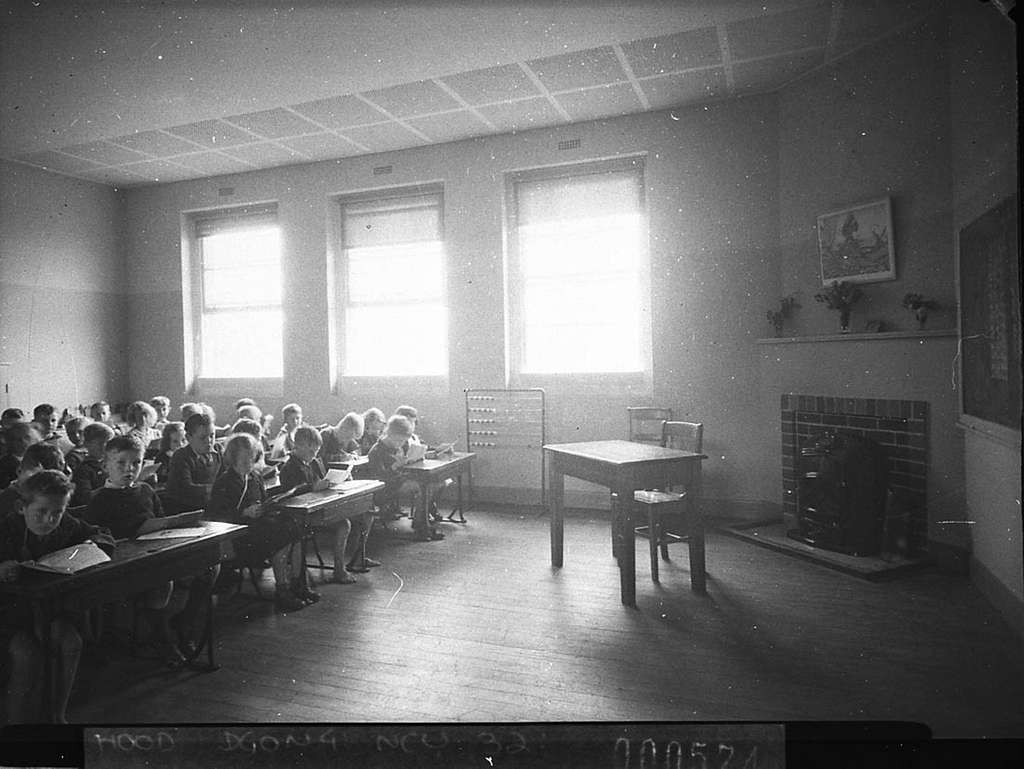
When COVID hit, Australian universities moved online almost overnight. We filmed, uploaded, templated and told ourselves we were “keeping learning going.” In a crisis, that was true. But five years on, I keep asking a simple question we’ve quietly pushed to the side: where is the learning in all this online learning?
I say this as a learning designer and as a learner myself. I’ve sat with academics and built the long LMS pages, the weekly playlists, the discussion boards, the 90-minute recordings that explain exactly what the textbook already covers. I’ve also watched students skim, skip and switch off. What we built was access and efficiency. What we lost was presence and purpose.
We’ve confused content with teaching
When Google first came along, people said teachers would shift into the role of facilitators. With Web 2.0, content became easy to find, and our task was to guide students through it. Now AI has taken us a step further. It doesn’t just find content; it writes it. Slides, summaries, quiz banks, “learning pathways”, produced in seconds. And in too many places we’ve responded by producing even more: more text on the page, more recordings, more auto-generated everything. All beautifully formatted. All strangely hollow.
If YouTube, podcasts and open texts already explain the baseline concepts (often better than time-poor academics can under pressure), why are we re-recording the textbook? Why not ask students to read or watch the best resources we can find, and then spend our precious contact time on the thing they cannot Google: application, critique, debate, design, practice.
‘But students don’t do the reading‘
This is the most common defence for long lecture recordings and content-heavy pages. Let’s be honest: they won’t watch a 90-minute recording that repeats the reading either. We’ve seen the analytics. Students cherry-pick, speed-up, or give up. The problem isn’t student laziness; it’s a design that hides the point of learning. When the reward in a subject is “consumed content” rather than “used knowledge,” students behave accordingly.
The cost is not just to students. Think about the academic time sunk into filming and editing two hours of talking-head video, time that could have gone into crafting a real-world brief, a feedback rubric that actually teaches, or a live clinic that challenges thinking. Every hour spent remaking content that already exists is an hour stolen from presence.
Teaching presence isn’t a contact card
We often say “teaching presence” and then treat it like a profile photo, a welcome note and an email address. That is not presence. Presence is when students can feel the educator in the course: asking the next question, reframing a misconception, modelling how a professional thinks, giving feedback that bites a little and builds a lot. Presence is dialogue, not decoration. Without it, an online subject becomes a tidy repository of resources with no teacher in sight.
The chatbot is now inside the classroom
There’s a new twist we need to talk about. The AI tutor is no longer an external app — it’s inside the LMS. Platforms like Canvas are rolling out native chatbot-tutors and “LLM-enabled assignments.” Students can chat to the bot about the week’s topic; those interactions can be captured as “learning evidence,” surfaced in analytics and even aligned to the Gradebook. On paper, that’s efficient. In practice, it risks moving the centre of gravity away from the educator and towards the dashboard.
I’m not anti-AI. I use these tools. But we need to be very clear about their role. If the main conversation in a subject is student ↔ bot, and our job is to read the analytics, we’ve replaced presence with telemetry. AI should free educators to be more present, not give institutions a reason to be less.
What students actually pay for
Students don’t pay for a better textbook or a longer video. They pay for expertise in action: sharp feedback on real work; judgement in messy, “it depends” cases; the courage an educator gives them to take a position and defend it; the confidence of doing something that matters beyond the LMS. That is what turns knowledge into capability. That is what a machine cannot convincingly simulate.
So let’s design around that. Tell students: here are the best explainers; come ready. Then use live time for work, building, debating, presenting, testing, revising. Shift assessment towards authentic tasks where AI can be a tool, not a cheat code: oral defences, design critiques, negotiated briefs, client-style deliverables, reflective re-writes that show growth. Make feedback fast, specific and human. Make your voice present in the forums. Ask for evidence of thinking, not just products of typing.
If universities don’t change, someone else will
This isn’t only a design problem; it’s a relevance problem. Students are comparing our subjects with a world full of short, job-linked credentials built with industry and delivered at speed. Coursera, edX, Google certificates, LinkedIn Learning, the competition is not the university down the road; it’s the rest of the internet. If we spend our energy recreating content that already exists, we will lose on the dimensions our competitors dominate: speed and relevance.
I don’t say this lightly: if we keep treating learning as content delivery, now supercharged by AI, I’m not sure universities, at least in their current form, will hold students’ attention for the next decade. Big companies will offer direct pathways into work. Students will follow the value.
Australia needs to choose what universities are for
We do not need another round of “more resources.” We need a national reset on what learning at university is for. The direction is hiding in plain sight: co-design curricula with industry, expand work-integrated learning beyond placements into live briefs and clinics, and measure capability, not page views. Every subject should have a real partner somewhere in the process: shaping problems, reviewing work, or co-assessing outcomes.
We also need a clear, higher-education approach to AI that protects academic judgement and amplifies teaching presence. Use AI to draft options, not answers. Support and reward teachers for the moments of real connection that change how students think and what they remember years later, not just for how much material gets uploaded to the LMS.
Record less. Apply more.
If I could write one design rule on every subject outline, it would be this: record less; apply more. Stop remaking what already exists. Curate it. Then use our limited time and budget to create the experiences only we can create: The argument that makes a student stop and think, the case that unsettles them in a productive way, the feedback that turns a draft into a professional piece that is where the learning lives.
Online learning can absolutely be transformative. It has reach and flexibility we should celebrate. But unless we put the human work of teaching back at the centre, expertise, presence, challenge, care, we will keep producing beautiful courses that leave students strangely untouched. And they will go looking elsewhere for the thing we were meant to give them.
Regards,
Sara Abdelmawgoud


 Simply Sara